
Every gas hearth in the building, checked on one visit
Plan a building visit
Share the street address, a count of fireplace units and your notice plan for tenants. Together we set which units go first.
The gas checklist for each unit
In each unit our technician starts at the gas shutoff and works toward the vent. We confirm the shutoff turns, look over the flexible connector, run the fireplace and watch the pilot and burner flame, check for soot on the glass or logs, and test for gas at the valve joints. On vented log sets we confirm the damper is clamped open. We take a carbon monoxide reading at the opening while the unit runs.
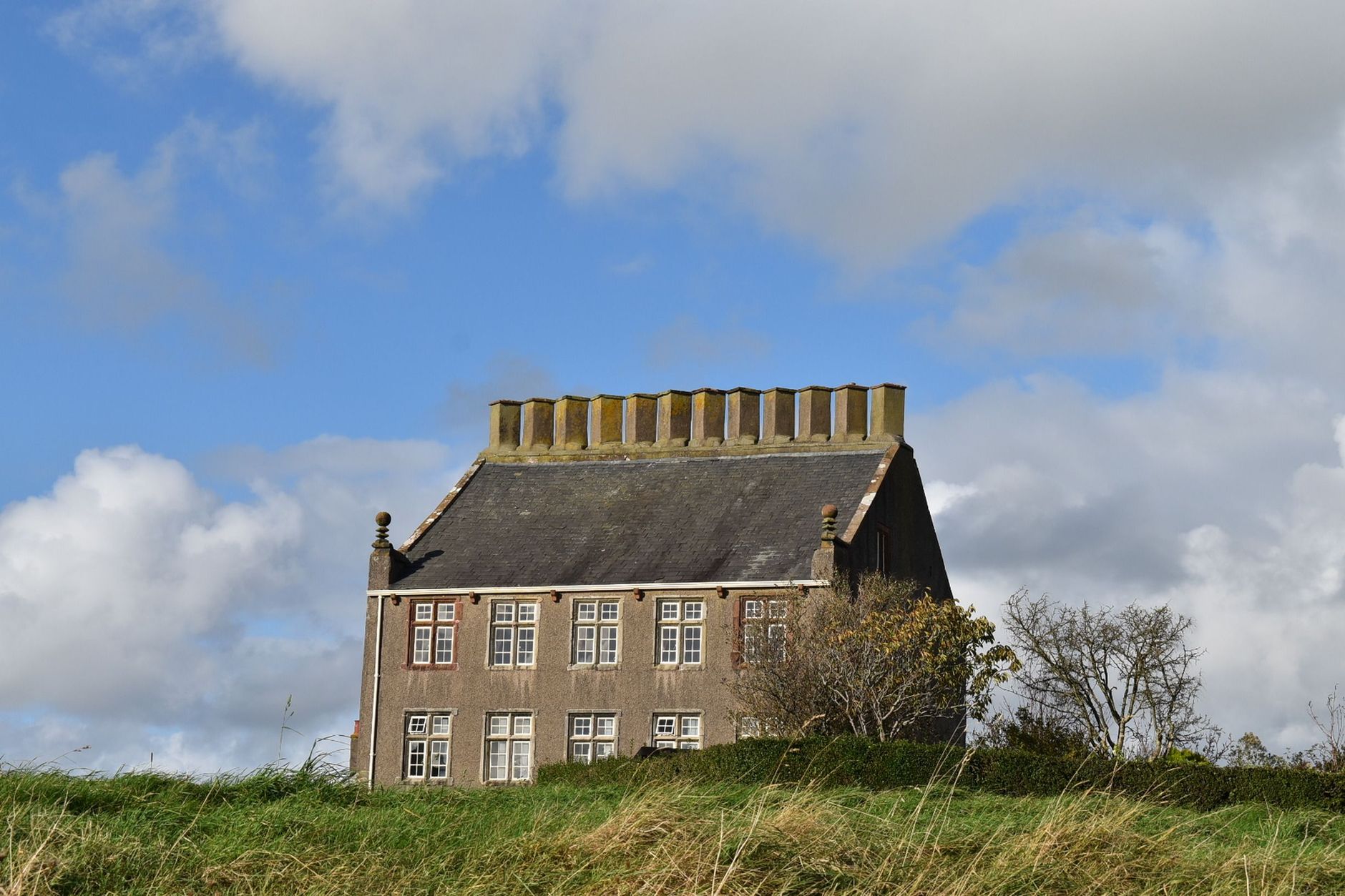
Up on the roof we look at each flue top or vent termination: is it clear of nests and leaves, is the cap there, and is the spark screen whole. On a building where several flues share one stack, a single damaged cover can affect every unit below it.
- Shutoff turns and the connector is sound
- Pilot and burner flame watched while the unit runs
- Valve joints tested for gas
- Damper clamp in place on vented log sets
- CO reading at the opening
- Vent top clear, capped and screened
Why the roof matters in fire season
Gas fireplaces throw few sparks, so managers sometimes skip the roof. The roof is where the fire risk lives on these buildings. A missing cap lets windblown debris and embers into the flue, and a blocked flue can push exhaust back into a unit. On a dry, windy autumn day, an uncapped flue next to a gutter full of leaves is one of the easier ways for a building fire to start.
We list every flue top by unit, with photos, so you can see which units share a stack and which covers need replacing. Caps are quoted per top after we measure. Anything else we find there is quoted in writing.
Records you can file
Each fireplace gets its own dated note: unit number, what was checked, what was found, and photos. You get the set together so it can go in the building file, to the board or to an insurer who asks about the fireplaces. When a unit needs a repair, the note says so, and the quote is a separate document so you can approve units one at a time.
Where a unit has a wood-burning fireplace instead of gas, we sweep and check it at the same visit if you want, priced on its own line.
Prices per fireplace
Visual checks are priced per fireplace, so the total follows the number of units with a hearth.
- Gas hearth visual check, per fireplace
- $57
- Camera run where a flue looks damaged
- $410
- Brushing a wood-burning flue in a unit
- from $435
Gas valve, pilot and vent repairs are quoted in writing per unit once we have seen them.
Manager and board questions
Do you need to be in every unit?
Yes, for each unit with a fireplace. The pilot, valve and connector can only be checked from the room. We plan the order of units with you so tenants can be told ahead.
What if a unit fails the gas check?
We shut the gas to that fireplace, tell you and the occupant, and note why. The repair is quoted in writing for that unit.
Can one stack serve several units?
Often, on older buildings. We map which flues share a stack so you know which units a damaged cap or crown affects.
What do we get for our records?
A dated note per fireplace with unit number, findings and photos, sent as a set for the building file.
Do you work for HOA boards as well as managers?
Yes. We can send the notes to the manager, the board or both, and walk the board through the findings if asked.
Get the building checked before the winds
Plan the visit in spring or summer so caps and gas repairs are done before autumn. Use the contact page to send the building and the number of fireplaces.
Call (323) 521-4696