A chimney is a fire question before it is a price question
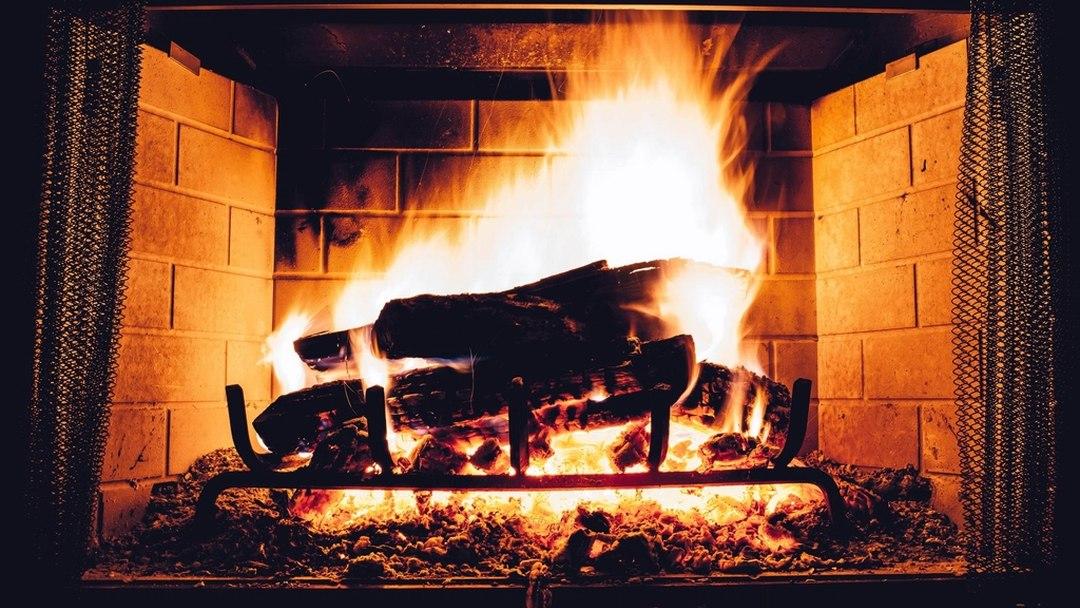
Buying a house with a fireplace means buying a hole in the roof that was built to carry fire. On a Cudahy house from the middle of the last century, that hole has seen decades of winter fires, more than one earthquake and probably a repair nobody wrote down. The general home inspection will mention the fireplace, but it is not set up to tell you whether the flue can still contain a fire. That needs a chimney inspection, and on a sale the right one is a Level 2.
What the Level 2 costs and what it films
Kilbride Chimney Services charges $410 for a Level 2 inspection with a video scan. The camera is the reason to book it. Our technician feeds it up from the firebox to the top and records every tile joint and the inside face of the flue. That is where the faults sit that let heat reach wood: split tiles, gaps where mortar has dropped out, a section knocked out of line by shaking, the scorch marks of a chimney fire from years ago.
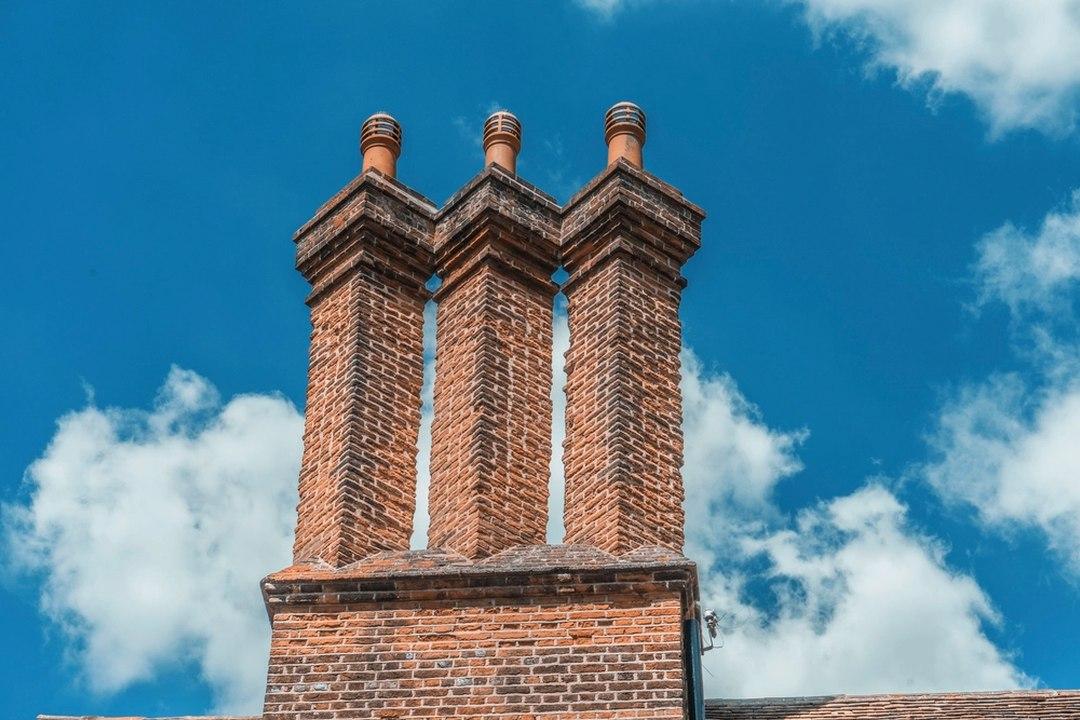
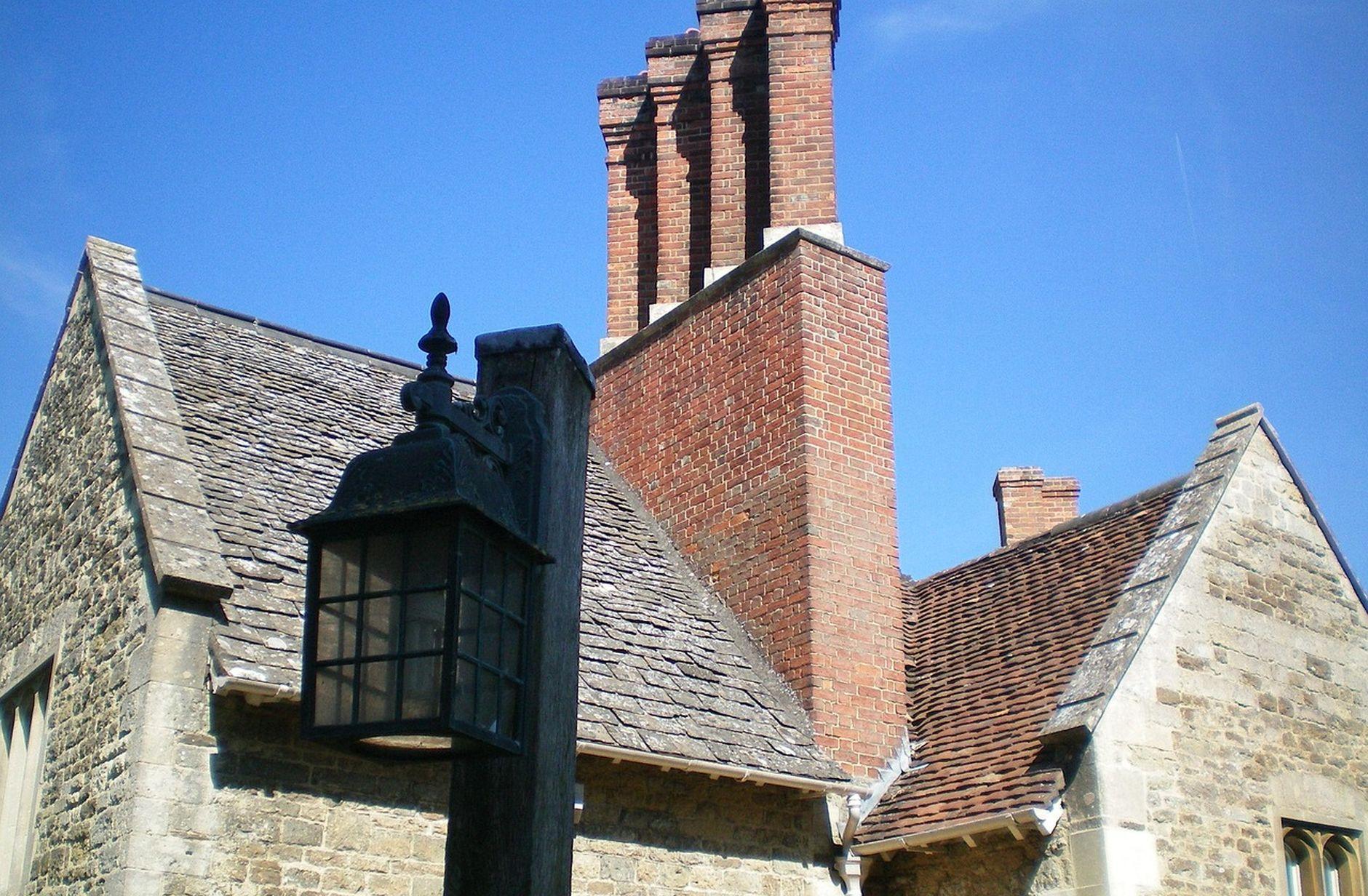
The visit also takes in what can be seen without the camera: firebox, damper, smoke chamber, the outside of the stack, the crown, the cap and its spark screen, the flashing at the roof, and the attic where the chimney passes the framing. Where we can reach it, we look at the wood that sits nearest the brick.
The national chimney standard, NFPA 211, calls for this deeper look when a property changes owner, because a new owner has no record of how the chimney has been used. A Level 1 visual check costs $57 and suits a chimney whose history you already know. On a purchase you do not know it, so the Level 2 is what we suggest.
What older chimneys tend to show
Houses built before 1980 share a handful of patterns, and the camera turns them up often:
- Clay tiles with open joints. The mortar between tile sections dries out and falls away over decades. Each gap lets heat and sparks reach the brick and whatever framing sits close behind it.
- Cracks from shaking. Whittier Narrows in 1987 was centered a short drive east of Cudahy, and the 1994 quake shook the whole basin. A tile cracked by either can sit hidden for decades.
- An old chimney fire. Puffy, flaky creosote and tiles split in a row tell us the flue has burned before.
- No spark arrestor. Many older stacks have no cap at all, or one whose screen has rusted open.
- A tired crown. A cracked top slab lets rain in and loosens the top courses of brick.
Every finding goes in the report with a photo and a plain sentence on what it means for fire safety.
Get the inspection on the calendar
On a purchase the order is simple: inspection, then report, then any repair request to the seller. Ask for a Level 2 on the house you are buying and include the address, your agent's name and everyone who should get a copy. We arrange access through the agents.
Turning findings into a decision
A report helps only if it turns into a choice. Ours groups findings three ways:
- Fix before the fireplace is lit. Open tile joints, a cracked flue, scorched framing. These are fire risks, and a buyer can fairly ask the seller to repair them or credit the cost.
- Fix soon. A missing cap, a split crown, worn flashing. Not dangerous on the first day, but worth sorting before the windy months.
- Keep an eye on. Light mortar wear, a stiff damper.
Where a fix has a set price with us, the report shows it beside the finding. A fitted spark arrestor cap is quoted after we measure the flue. Tracing and stopping a leak runs $585 to $3,500. Liner, crown and damper work have no set figure; we write a quote for them once the inspection has shown how much there is, laid out so you can pass it to the seller's side.
Closing dates and the fire calendar
Plenty of sales close in late summer and autumn. If yours does, the first fire in the new house may land in the same weeks as the first Santa Ana. With the report in hand you can deal with the urgent items before that first fire instead of finding them during it.
What the report is not
The report is not a repair contract and it does not commit you to us. You can take the findings and the photos to any mason or chimney company you like and ask for their price. We write findings so that another trade can read them without calling us: the location of each fault, how large it is, and why it matters for fire. If the seller's side wants their own contractor to quote the fixes, the report gives that contractor what they need to start. Buyers often find that the clearest part of the negotiation, because both sides are pricing the same list of problems.
Who receives the report
The report goes to the people you list when you book: you, your agent, and the seller's agent if you want them to see it. Each gets the same document and the same photos, so no one is working from a summary of a summary.
A note for owners selling an older house
Sellers can book the same inspection before listing. A buyer who sees a clean report, or a report with the fixes already done and photographed, has less to argue about. The home sale inspection page covers both sides of the deal.
Booking an inspection in Cudahy
We inspect chimneys for purchases across Cudahy, Montebello, Rosemead and the nearby parts of Los Angeles. When your offer is in and you want the flue looked at properly, reach us through the contact page to set a date.
Ready Before the Wind Picks Up?
Kilbride starts on the roof with the cap, the spark mesh and the crown, then photographs each finding and writes a price for it. We work from Cudahy out to Montebello, Rosemead and across Los Angeles.