The figure up front
A sweep from Kilbride Chimney Services starts from $435 for one flue. That covers brushing the flue, vacuuming the firebox and smoke shelf, a look at the damper, and a written note with photos of what came out. Most one-fireplace houses in Cudahy are swept at or close to that starting figure. The rest of this post covers what lifts it, and why the month you book changes what the sweep is worth to you.
Sweeping is fire prevention, not housekeeping
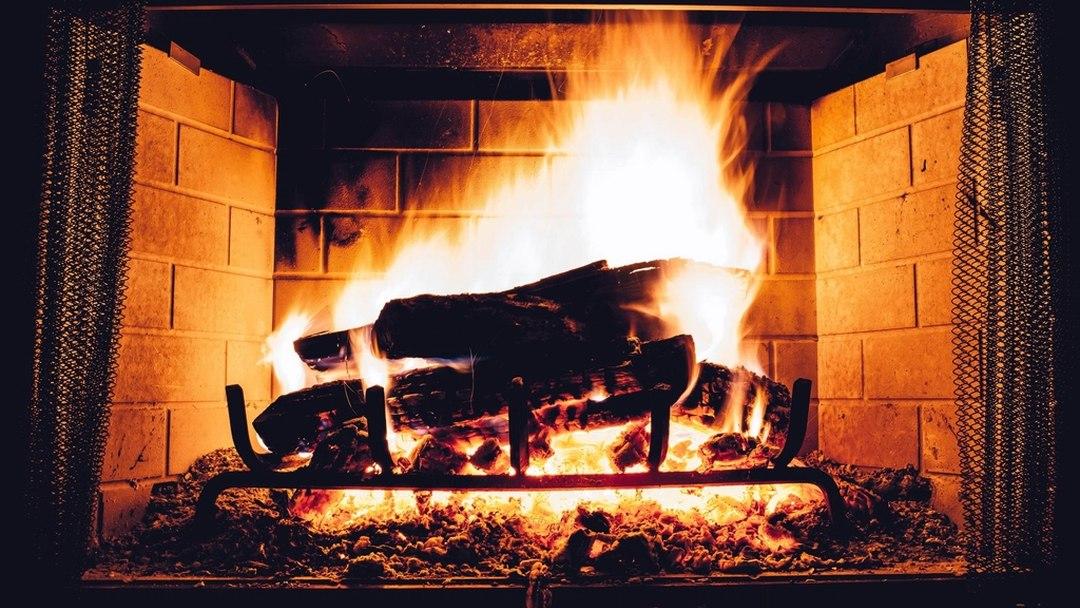
Wood smoke cools as it climbs, and as it cools it leaves tar on the flue walls. That tar is creosote. It starts as a dry, dusty soot, thickens into a flaky crust and, given enough slow, smoky fires, hardens into a shiny black coat. Every stage of it burns. A chimney fire begins when a hot fire in the grate lights that coat, and the flue turns into a blowtorch pointed at the sky. Flame and sparks leave the top, and in a dry autumn wind that is one of the ways a single fireplace ends up as a roof fire two doors down.
Pulling the fuel out is the whole point. A swept flue has nothing left in it to feed that kind of fire.
What lifts the price above the start
- More than one flue. Each flue is brushed separately. A house with a fireplace in the front room and another in a den has two.
- Thick or baked-on deposits. Loose soot comes away with brushes in one pass. A heavy crust takes longer. The glossy, hardened kind needs different tools and sometimes a return visit, and you hear that, with the extra cost in writing, before we start.
- Things that are not creosote. Nests, wind-blown leaves and the remains of a cap that fell in years ago all block the flue. Clearing a blockage adds time.
- Years without a fire. A fireplace that has sat cold for a decade often hides a surprise on the smoke shelf.
- Roof work. Most sweeps are done from the firebox. Where the top is the only way in, someone goes up.
Pin the price down
The quickest way to a firm number is to tell us how many fireplaces the house has, whether each burns wood or gas, and roughly when they were last swept. Request a sweep price with those three details and we confirm it before the visit is booked.
Why late summer beats November
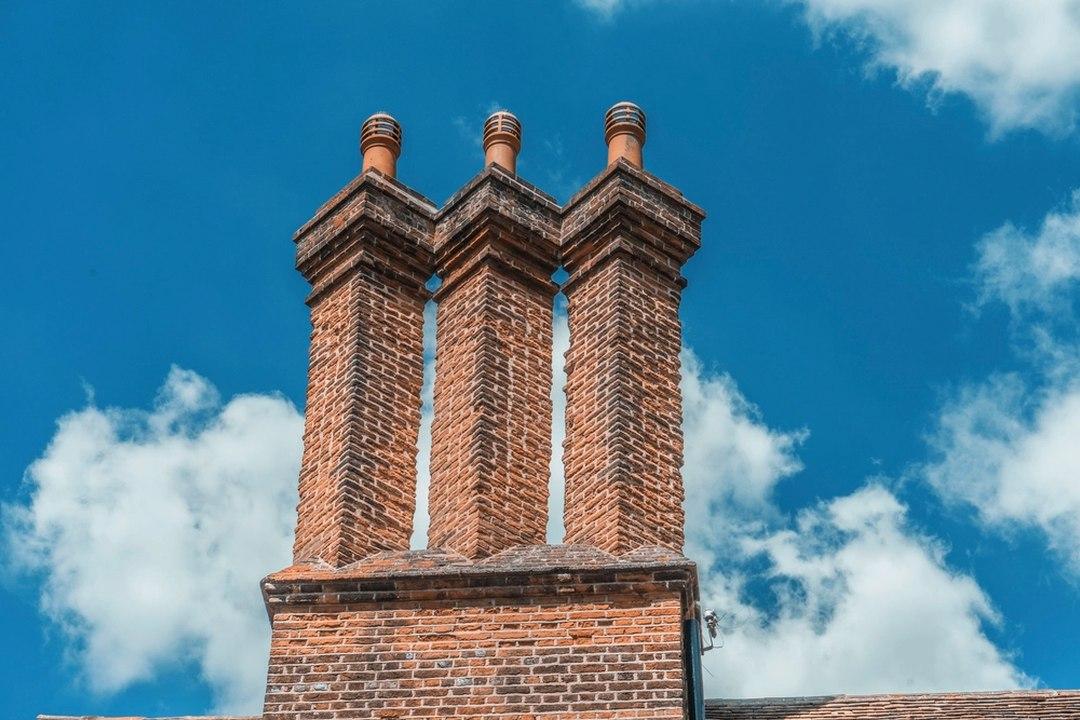
The burning season ended months ago, so in August the flue is cold and dry and the deposits are brittle and quick to brush. More to the point, the job is finished before the offshore winds arrive. A flue swept in late summer goes into October with nothing in it to light.
A November sweep still helps, but by then the first hot fires of the year have already run through a dirty flue. Sweeping during a wind event suits nobody either: a roof in gusts is no place to stand.
Households that burn a lot can add a second sweep in spring, right after the last fire. That one clears the winter's soot before summer heat bakes it hard and before the damp months set it smelling through the house.
What we notice on the way through
A sweep puts a technician in the firebox, on the smoke shelf with a light and, where needed, on the roof. Along the way we record:
- whether a cap is in place and its spark screen is whole
- cracks in the firebrick or in the flue tile the brushes pass over
- a damper that sticks, will not shut or has rusted through
- scorched or split tile that points to an old chimney fire
Nothing on that list is added to your bill without your say. It goes in the note with photos, and any repair is priced on its own. If a crack in the tile looks serious, we suggest a camera inspection before the next fire. The Level 2 with a video scan costs $410, and the footage tells you whether the flue can safely hold a fire again.
Gas fireplaces need the flue open, not brushed
A gas log set leaves little creosote, so it does not need yearly brushing. It does need a clear path. Nests and leaves collect in gas flues as well, and a blocked gas flue sends exhaust into the room. A flue that carried wood smoke for years before its conversion may also still hold the old creosote, which should come out once. We sweep gas flues at the same starting figure, and we relight the pilot before leaving.
Pairing the sweep with a yearly check
Since the technician is already in the firebox with a light, many owners add the Level 1 visual check at the same visit. It costs $57 and covers the parts of the chimney that can be seen from inside and from the roof without a camera: firebox, damper, smoke chamber, crown and cap. For a fireplace that is used every winter in the same way, the pair is usually all the chimney needs before the dry months. You get a single note that covers both, with photos of the flue before and after brushing and a plain list of anything that should be watched before next season.
Picking a sweep
Look for a company that writes the price down before the brushes come out, shows you photos of what was in the flue and what remains, and mentions a missing spark screen without steering you toward a rebuild. A firm that quotes a sweep on the phone without asking how many flues you have is guessing, and the guess tends to grow once the dust sheet is down. Our sweep service page lists what the visit includes.
Booking a sweep in Cudahy
We sweep chimneys across Cudahy, Montebello, Rosemead and the neighboring parts of Los Angeles. To have yours brushed out before the dry winds come back, use our contact page and give us the address and the number of fireplaces.
Ready Before the Wind Picks Up?
Kilbride starts on the roof with the cap, the spark mesh and the crown, then photographs each finding and writes a price for it. We work from Cudahy out to Montebello, Rosemead and across Los Angeles.